Delivery in 8-10 daysDelivery in 5-9 daysDelivery in 6-15 daysDelivery in 7-10 daysDelivery in 9-11 daysDelivery in 12-14 daysDelivery in 8-10 daysDelivery in 4-7 days
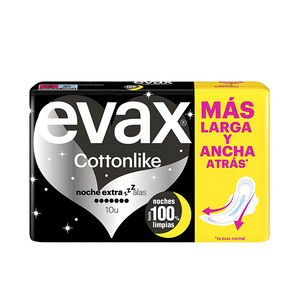
Esta ha sido la selección de productos de Sanitary Pads de Evax que te hemos propuesto. Descubre aquí todos los productos de Evax que tenemos disponibles y encuentra el que mejor se adapta a tus necesidades. Si no encuentras un producto que se ajuste a tu necesidad háznoslo saber a través de nuestro formulario de contacto y te atenderemos con la mayor brevedad posible
Menstrual hygiene has always been a constant concern for women. Although science and technology have led to different alternatives, sanitary pads continue to be the preferred option for women worldwide, thanks to their practicality, effectiveness, and adaptability to different lifestyles.
Their popularity stems from their super-absorbent nature, the fact that they don't require insertion, and their ease of use and disposal. Furthermore, pads have been developed with hypoallergenic materials, are increasingly absorbent, and feature ergonomic and discreet designs, guaranteeing comfort and personal confidence.
Pads with wings and pads without wings
There are mainly two types of sanitary pads: pads with wings and pads without wings . Although both have the same function, the differences in design can greatly influence their use.
Pads with wings
Pads with wings, as their name suggests, have adhesive extensions or wings on the sides that fold over to completely enclose underwear. These wings provide a more secure fit, reducing the risk of shifting, leaks, or discomfort. Pads with wings are an ideal option for heavy flow days or periods of increased physical activity. Their sense of security is highly valued.
Wingless compresses
Pads without wings simply adhere directly to underwear using an adhesive backing. They are more discreet and easier to put on and take off compared to pads with wings. Many women prefer them for their simplicity and their ability to fit more comfortably in underwear with a more delicate cut. They are recommended for days with light flow.
Note: Remember that both options are made with hypoallergenic and breathable materials, which will help keep your skin dry and protected.
Postpartum pads
After childbirth, a woman typically experiences heavy vaginal bleeding, commonly known as lochia. This is a natural process in which the body expels pregnancy-related tissue from the uterus, including blood, primarily decidual tissue, placental remnants, and amniotic fluid. This process lasts between four and six weeks, depending on the individual, and the color of the bleeding changes as it progresses.
Postpartum menstrual flow is usually much heavier than during menstruation, and for this reason, postpartum pads are needed, specifically designed to offer maximum absorption, extreme softness and protection without causing friction or discomfort.
These pads differ from conventional ones due to their larger size, high fluid retention capacity, and soft materials. They are also thicker, but extremely comfortable thanks to their anatomical design and padding. Using postpartum pads ensures a more hygienic and safe recovery.
Buy sanitary pads
Choose the pad that best suits you. To help you, we present a list of the best options:
Ausonia Sanitary Pads : Ausonia offers a variety of sanitary pads to suit different flow levels and needs. Ausonia pads are dermatologically tested and feature the latest odor-neutralizing technology, minimizing the risk of irritation.
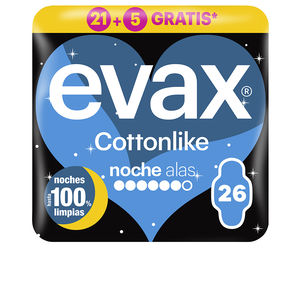
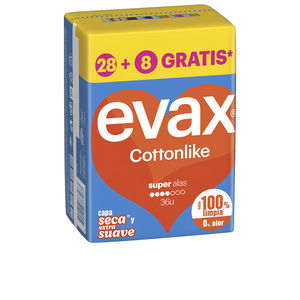
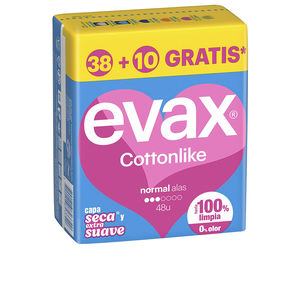
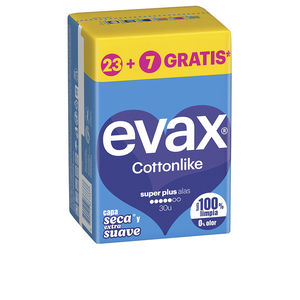
Evax Sanitary Pads : Offering the best innovation in feminine hygiene. The ergonomic design of Evax pads combines comfort, security, an ultra-thin design, odor-resistant technology, and even flow distribution.
Indasec pads : These are high-performance pads for incontinence and postpartum use. They are made of hypoallergenic, breathable, soft, and skin-friendly material.
My Day Pads : They are designed for active young women who seek discretion and comfort without compromising effectiveness.
Tena Lady sanitary pads : They have a high absorbent power, offering security and discretion.
I shop at perfumesclub because of their competitive prices and how fast they send everything to your home
P
Pablo
Discounts on big brands in perfumery
Apart from the fact that there is usually a considerable discount on lots of perfumery products I really want (although sometimes there’s a lack of stock because they run out quickly), the guaranteed product quality, because on other websites you don’t trust that the product is genuine.
I
Itziar
Wide variety of products, fast delivery
It is a great internet store. It has a wide variety of products, good prices, quick delivery, etc.

 Vegan
Vegan Best prices
  Viral
Viral Flash
Flash








 (24)
(24)


 (89)
(89)