Delivery in 8-10 daysDelivery in 5-9 daysDelivery in 6-15 daysDelivery in 7-10 daysDelivery in 9-11 daysDelivery in 12-14 daysDelivery in 8-10 daysDelivery in 4-7 days
Esta ha sido la selección de productos de Sunscreen de Bioderma que te hemos propuesto. Además, puedes ver toda la gama de productos de Bioderma y encontrar todo lo que necesitas para tu rutina. Si no encuentras un producto que se ajuste a tu necesidad háznoslo saber a través de nuestro formulario de contacto y te atenderemos con la mayor brevedad posible
Sun Protection and the Importance of Taking Care of Your Skin
Sun protection is essential for keeping your skin healthy and protecting it from damage caused by ultraviolet (UV) rays. People often think that sunscreen is only necessary during the summer or when going to the beach, but it is actually important to use it throughout the year, especially when spending a lot of time outdoors. UV rays can cause sunburn, contribute to the appearance of dark spots and accelerate premature skin ageing. Moreover, excessive exposure without protection increases the risk of developing skin cancer.
The Most Well-Known Sun Protection Brands
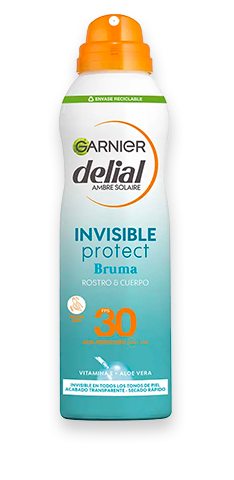
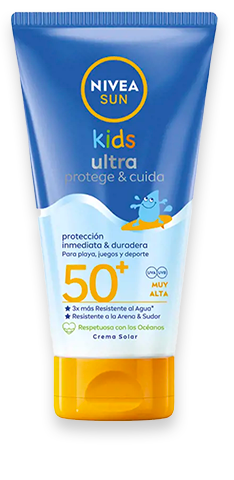
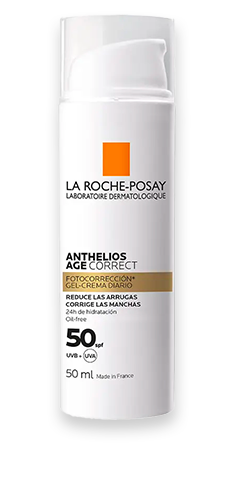
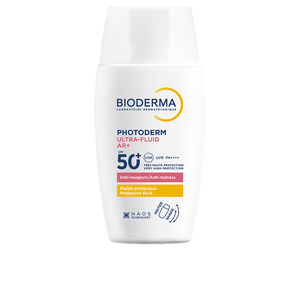
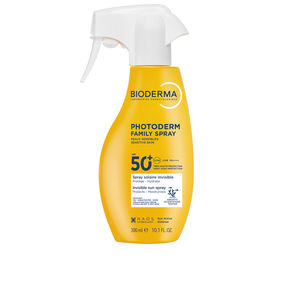
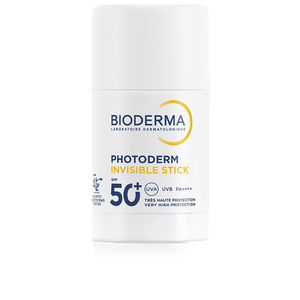
Today, the market offers a wide range of sun protection products designed for different skin types and needs. Some of the best-known brands include Nivea Sun, La Roche-Posay, Avène, Bioderma, Eucerin and Garnier Ambre Solaire. These companies offer creams, sprays, fluids and lotions with different levels of protection. La Roche-Posay, with its Anthelios range, is known for its high-protection products, including options for sensitive skin. Avène offers sunscreens designed for different skin needs, while Bioderma, with its Photoderm range, provides formulas suitable for various skin types. Eucerin Sun includes products for everyday protection, including options for oily and acne-prone skin. Nivea Sun and Garnier Ambre Solaire, meanwhile, offer a wide variety of sunscreens for adults and children.
How to Choose and Use Sunscreen
The Sun Protection Factor (SPF)
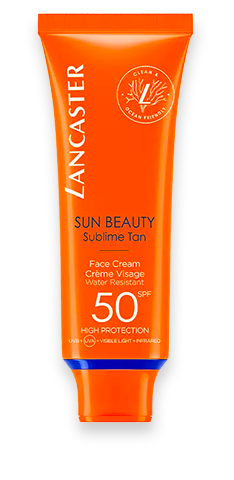
One of the most important factors to consider when choosing sunscreen is the Sun Protection Factor, commonly known as SPF. For example, SPF 30 and SPF 50 products provide a high level of protection, while SPF 50+ is particularly recommended for very fair, sensitive or sunburn-prone skin. It is important to choose products that protect against both UVB rays, which are primarily responsible for sunburn, and UVA rays, which are associated with skin ageing and cellular damage. The choice should take into account your skin type, the intensity of the sunlight and the length of time you spend outdoors.
Tips for Effective Sun Protection
To ensure adequate protection, sunscreen should be applied generously to all exposed areas of the skin, including the ears, neck, hands and feet. It is advisable to apply it before going out in the sun and reapply it approximately every two hours, as well as after swimming, excessive sweating or drying yourself with a towel, even if the product is water-resistant.
Sun protection should be combined with other healthy habits. During the middle of the day, when the sun's rays are most intense, it is best to seek shade and avoid prolonged exposure. Wearing a hat, sunglasses and suitable clothing can also help reduce exposure to UV rays. Even on cloudy days, some ultraviolet radiation still reaches the skin.
Choosing sunscreen should not depend solely on the brand or price, but primarily on your skin's characteristics and individual needs. Using suitable sun protection regularly is an important habit for taking care of your skin and reducing the risks associated with sun exposure.
I shop at perfumes club for comfort and price. The delivery is quick and it’s very easy to search for a product.
S
Silvia
Great catalogue, fast delivery, intuitive website
I shop at Perfume’s Club because I discovered them years ago and they have never let me down. They have fantastic discounts, quality products and unbeatable service. In the 9 years that I’ve been shopping on their website they have never let me down, and I hope to continue to enjoy their service for many, many years to come.
D
Dolors
They have many products and at a very good price.
After comparing with other perfume sales portals, Perfume’s Club always offers me the best price. As well as the fast delivery service.

 Vegan
Vegan Best prices
  Viral
Viral Flash
Flash